
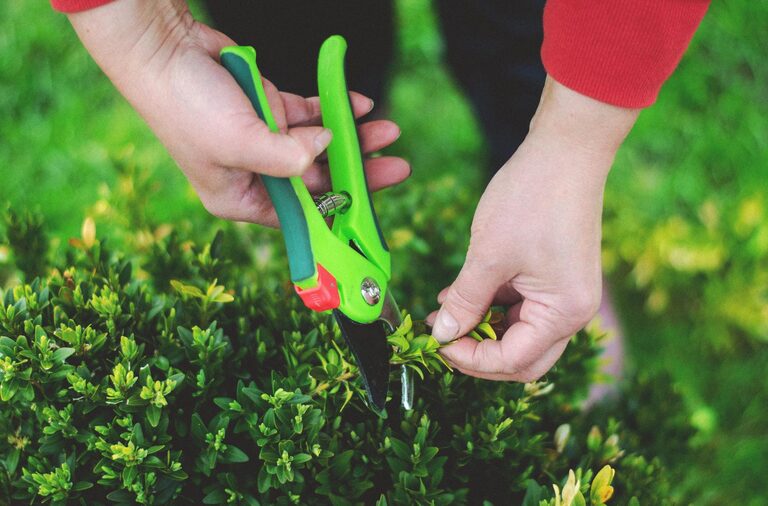
Creating a beautiful and functional home garden that thrives all year round is a rewarding endeavour. Whether you have a small backyard, a balcony, or a spacious garden, thoughtful planning and ongoing care can ensure your outdoor space remains both attractive and useful through every season. This guide offers practical tips to help you design, plant, and maintain a garden that brings joy and purpose throughout the year.
Plan Your Garden With the Whole Year in Mind
Before you plant a single seed, take time to plan your garden thoughtfully.
Understand Your Climate and Soil
Knowing your local climate is essential. Be aware of frost dates, typical rainfall, and temperature swings. Test your soil to determine its pH and nutrient levels, as this will guide your choice of plants and soil improvements.
Choose Plants for Seasonal Interest
Select a mix of plants that offer varying colours, blooms, and foliage texture in different seasons. Evergreen shrubs, spring bulbs, summer perennials, autumn foliage, and winter berries can ensure visual appeal throughout the year.
Combine Aesthetics With Function
Think beyond looks. Incorporate edible plants like herbs, vegetables, and fruit bushes alongside ornamental plants. This approach adds both beauty and usefulness to your garden.
Prepare the Soil and Garden Bed Properly
Healthy soil is the foundation of a thriving garden.
Improve Soil Quality
Add organic matter such as compost or well-rotted manure to enrich the soil, improve drainage, and increase fertility.
Mulch Regularly
Apply mulch around plants to conserve moisture, suppress weeds, and regulate soil temperature. Choose organic mulches like bark chips or straw which break down over time, feeding the soil.
Plant Wisely for Continuous Growth
Choosing and positioning plants carefully helps your garden flourish year after year.
Plan for Succession Planting
To keep your garden productive, plan cycles of planting so that one crop or flower finishes just as another starts. For example, alternate early spring vegetables with summer crops and autumn harvests.
Use Layered Planting
Combine tall, medium, and ground-cover plants to make full use of space and create depth. Taller plants provide shelter for smaller ones and can reduce soil moisture loss.
Incorporate Hardy Perennials and Bulbs
Establish a core of perennials and bulbs that return each year with minimal effort. This reduces the need for annual replanting and provides a reliable structure.
Maintain Your Garden Through Every Season
Consistent maintenance is key to keeping your garden healthy and attractive.
Spring: Prepare and Plant
– Clean up winter debris and prune dead branches.
– Feed plants with a balanced fertiliser.
– Begin planting early crops and flowers.
Summer: Water and Control Weeds
– Water deeply but less frequently to encourage strong roots.
– Mulch to retain moisture and control weeds.
– Monitor for pests and diseases, treating problems early.
Autumn: Harvest and Protect
– Gather mature vegetables and fruits.
– Plant bulbs for spring flowering.
– Add compost or mulch to protect soil over winter.
Winter: Minimal Care and Planning
– Clear fallen leaves to prevent disease.
– Protect sensitive plants with covers or move pots indoors.
– Plan next year’s garden layout and order seeds.
Create Garden Features That Add Interest and Functionality
Adding thoughtful features can make your garden more enjoyable.
Seating Areas
Incorporate benches or chairs to provide places to relax and appreciate your garden’s beauty.
Pathways
Use gravel, stone, or wood chips to create easy-to-walk paths that help define spaces and reduce soil compaction.
Water Elements
Consider small ponds, birdbaths, or fountains to attract wildlife and add soothing sounds to your garden.
Container Gardening
Use pots and containers to grow plants where space is limited or as design elements to add height and colour.
Encourage Wildlife and Sustainability
A garden that supports local wildlife is healthier and more resilient.
Plant Native Species
Native plants are adapted to your area and provide food and shelter for local birds, insects, and pollinators.
Avoid Chemicals
Minimise or eliminate the use of pesticides and herbicides. Opt for organic solutions and encourage natural predators like ladybirds and frogs.
Compost and Recycle
Turn garden and kitchen waste into nutrient-rich compost to feed your plants and reduce waste.
Final Thoughts
Creating a garden that is both beautiful and functional throughout the year takes commitment but pays off handsomely. By planning carefully, choosing appropriate plants, maintaining your garden regularly, and adding thoughtful features, you can enjoy a thriving outdoor space that changes with the seasons and offers continual pleasure. Whether growing your own food, attracting wildlife, or simply relaxing among flowers, a year-round garden enhances your home and wellbeing. Happy gardening!
About the Author