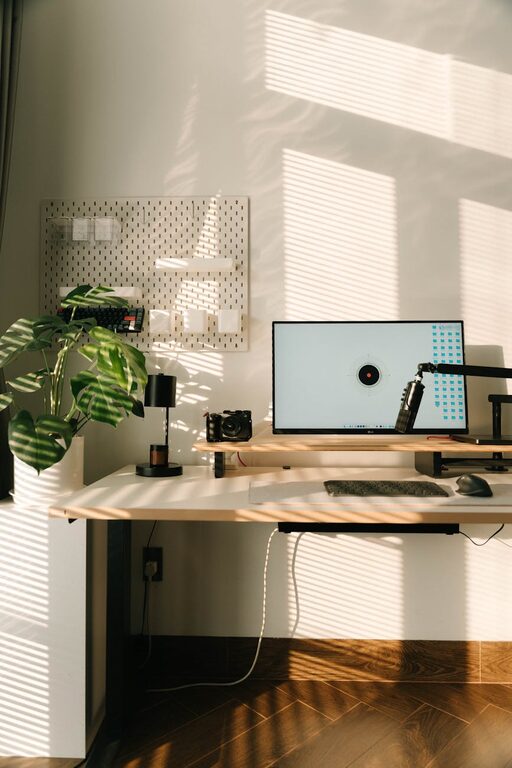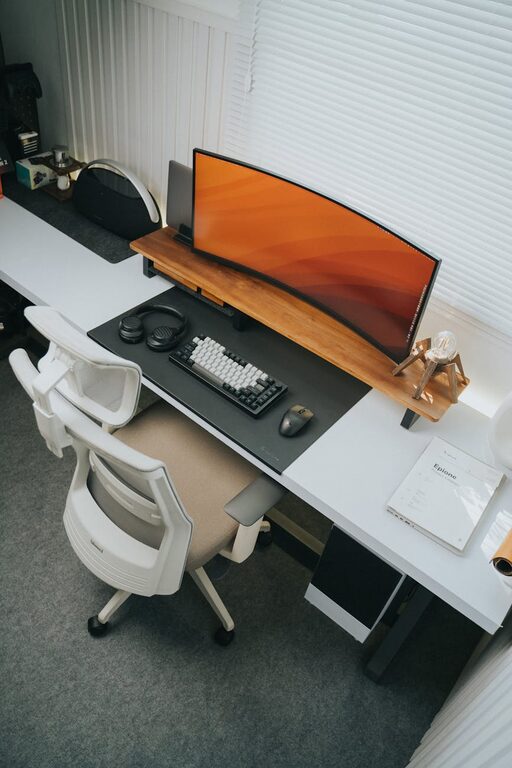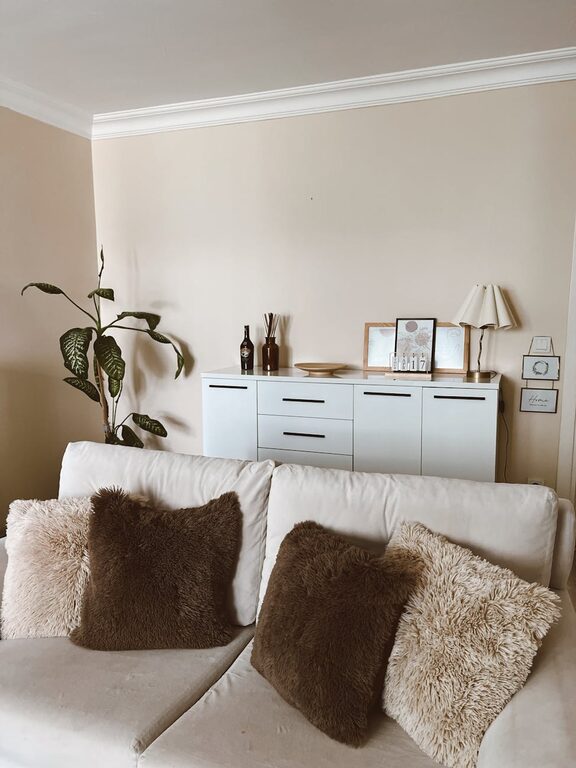
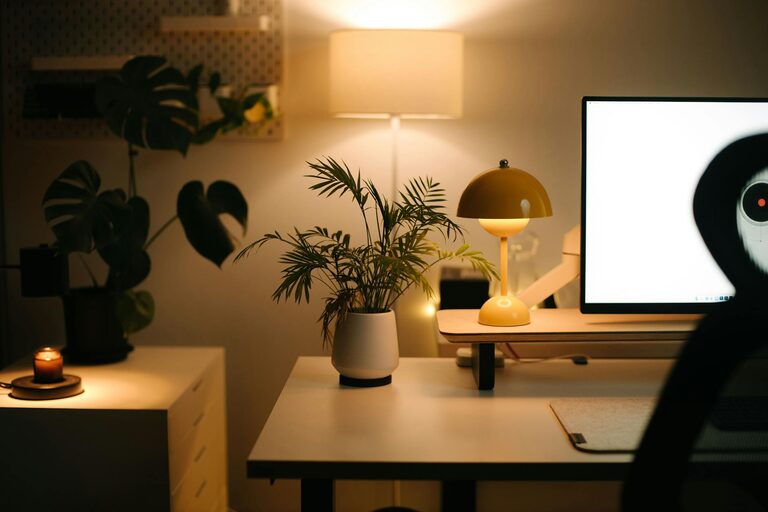
Creating a relaxing home workspace can significantly enhance your productivity and overall well-being when working from home. A well-designed environment helps reduce stress, minimise distractions, and keeps you motivated throughout the day. In this post, we’ll share practical tips for setting up a comfortable and efficient workspace that feels inviting and supports your work routine.
Why a Relaxing Workspace Matters
Spending hours at your desk can be draining if your environment feels chaotic or uncomfortable. A cluttered or noisy space may make it harder to concentrate, while an inspiring and calm area encourages focus and creativity. When your home workspace feels more like a sanctuary than a source of stress, you’re more likely to enjoy your work and stay productive.
Choose the Right Location
Find a Quiet Spot
If possible, select a room or corner in your home that is quiet and less trafficked. Minimising interruptions helps you stay focused with fewer distractions.
Consider Natural Light
Work near a window to benefit from natural light, which can boost your mood and keep you alert. If natural light is limited, invest in good quality artificial lighting that mimics daylight.
Separate Work and Leisure
Try to keep your workspace separate from relaxation areas. This clear boundary helps your brain distinguish work time from downtime, enhancing work-life balance.
Invest in Comfortable and Functional Furniture
Ergonomic Chair and Desk
Choose an ergonomic chair that supports your posture, especially if you spend many hours sitting. A desk at the correct height will prevent strain and discomfort.
Declutter Your Desk
Keep only the essentials on your desk to avoid clutter. Use organisers or drawers to store supplies neatly and reduce visual distractions.
Add Personal Touches
Incorporate items that make you feel calm and happy, such as a favourite photo, a small plant, or subtle artwork. Personal touches can create a welcoming atmosphere without overwhelming the space.
optimise Lighting and Reduce Eye Strain
Use Layered Lighting
Combine ambient lighting with task lighting. A desk lamp with adjustable brightness is ideal for focused work during darker hours.
Position Screens Carefully
Place your computer screen at eye level and about an arm’s length away to reduce neck strain and eye fatigue.
Take Regular Breaks
Remember the 20-20-20 rule: every 20 minutes, look at something 20 feet away for 20 seconds. This simple practice helps reduce eye strain.
Keep Your Workspace Organised and Clutter-Free
Use Storage Solutions
Shelves, filing cabinets, and storage boxes help keep documents and equipment organised. Investing time in tidying up at the end of each day makes mornings smoother.
Label and Prioritise
Label storage containers and digital files clearly for easy access. Prioritise tasks with a to-do list or planner to maintain focus.
Digital Declutter
Regularly clean your desktop and email inbox to avoid feeling overwhelmed by digital clutter.
Bring Nature Indoors
Add Plants
Indoor plants have been shown to enhance mood and air quality. Choose low-maintenance options like succulents or spider plants.
Natural Elements
Incorporate natural materials such as wooden accessories or stone decorations to create a grounded and calming environment.
Control Noise Levels
Use Noise-Cancelling Headphones
If household noise is unavoidable, noise-cancelling headphones or earplugs can help you concentrate.
Background Sounds
Some people find soft background noise helpful. Consider white noise machines, nature sounds, or gentle instrumental music.
Maintain a Comfortable Temperature and Fresh Air
Temperature Control
Ensure your workspace is not too hot or cold. Adjust heating or use fans as needed to stay comfortable.
Ventilation
Open windows regularly or use an air purifier to keep the air fresh and improve concentration.
Incorporate Movement and Wellness
Stretch Breaks
Set reminders to stand, stretch, or walk for a few minutes every hour. This helps reduce stiffness and improves circulation.
Desk Exercises
Simple exercises and stretches done at your desk can help relieve tension without interrupting your work.
Hydration and Snacks
Keep a water bottle nearby and choose healthy snacks to maintain energy levels throughout the day.
Establish Boundaries and Routines
Regular Work Hours
Try to start and finish work at consistent times. A routine helps your mind switch between work and personal time.
Clear End-of-Day Ritual
Develop a routine to signal the end of your workday, such as tidying your desk or shutting down your computer.
Conclusion
Creating a relaxing home workspace is about combining comfort, organisation, and personal touches to build an environment where you can thrive. By choosing the right location, investing in ergonomic furniture, controlling lighting and noise, and maintaining a clutter-free area, you set yourself up for productive and stress-free working days. Remember, a little attention to your workspace design goes a long way in supporting your focus and well-being.
About the Author