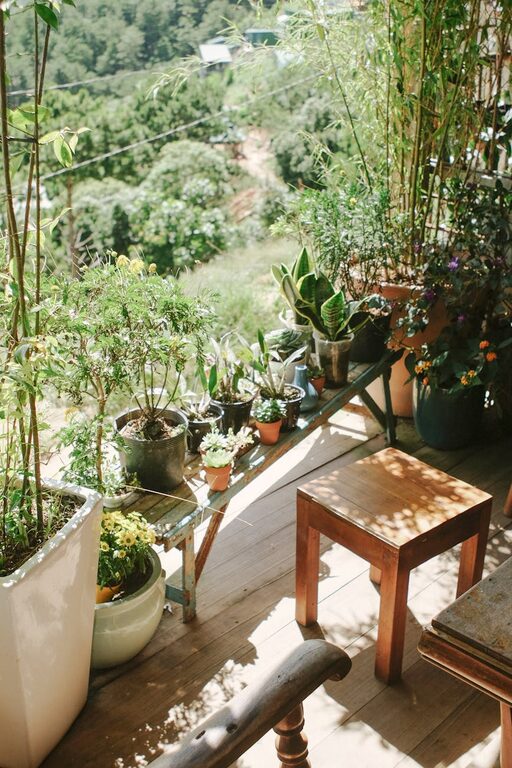
Creating a relaxing outdoor garden space at home can be a wonderful way to unwind, connect with nature, and add beauty to your property. Whether you have a large backyard or a small balcony, a thoughtfully designed garden space can provide a peaceful retreat from your daily routine. In this post, we’ll explore practical tips and ideas to help you create a calming and inviting garden space that suits your lifestyle.
1. Plan Your Space with Purpose
Before you start planting or buying furniture, take time to plan your garden layout. Think about how you want to use the space. Do you want an area for reading, gardening, outdoor dining, or simply relaxing?
– Define zones: Consider creating designated areas for seating, plants, and pathways to help organise your garden efficiently.
– Measure the space: Knowing the size of your area allows you to choose garden furniture and plants that fit comfortably without overcrowding.
Having a clear plan ensures your garden will be functional and enjoyable.
2. Choose Comfortable and Durable Garden Furniture
A key element in creating a relaxing garden is comfortable seating.
– Look for weather-resistant materials like treated wood, metal, or synthetic fibres.
– Add cushions or blankets for extra comfort, choosing fabrics that are suitable for outdoor use.
– Consider a hammock or a swing chair for a cosy, soothing spot.
– Use tables and chairs that match your preferred style, whether modern, rustic, or traditional.
Remember to arrange your seating to enjoy the best views and create a welcoming atmosphere.
3. Incorporate Greenery and Plants for Calm
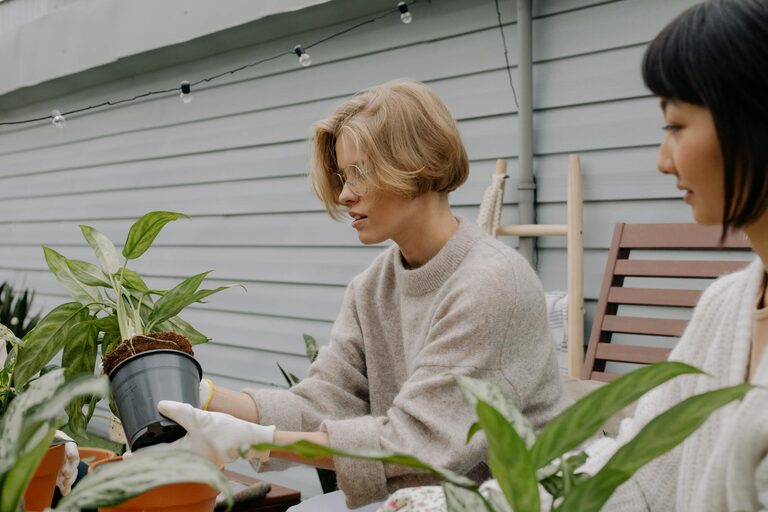
Plants play a vital role in creating a tranquil garden environment. They purify the air, attract wildlife, and visually soften the space.
– Select low-maintenance plants if you want to keep gardening simple. Herbs like lavender or rosemary add fragrance, while grasses or succulents are hardy and elegant.
– Add trees or shrubs for shade and privacy.
– Use colourful flowers or foliage to add visual interest throughout the year.
– Consider planting native species that thrive in your local climate and support local wildlife.
Mixing different plant types and heights can create a natural, layered effect.
4. Use Soothing Water Features
The sound of flowing water is known to reduce stress and enhance relaxation.
– Small fountains, birdbaths, or pond features can bring gentle water sounds to your garden.
– Choose a water feature that suits your space and maintenance preferences.
– Incorporate aquatic plants or fish if you have a pond for added interest.
Water features also attract birds and other wildlife, adding movement and life to your garden.
5. Maximise Natural Light and Shade
Balancing sunlight and shade is important for comfort and plant health.
– Position seating areas in spots that get morning or late afternoon sun, avoiding the harsh midday heat.
– Use garden umbrellas, pergolas, or shade sails to create cool, shaded retreats.
– Plant trees or climbing plants that provide natural shade over time.
Good lighting can help you enjoy your garden in the evening as well.
6. Add Personal Touches and Decorative Elements
Personalising your garden with decorative items can make the space feel more inviting.
– Use lanterns, fairy lights, or solar-powered garden lights for a warm glow after dark.
– Add art pieces like sculptures or wind chimes to create visual and auditory interest.
– Include garden ornaments that reflect your style, from quirky to classic.
– Use outdoor rugs or cushions in colours that complement your garden’s palette.
These touches contribute to the overall atmosphere and make the garden your own special place.
7. Create Privacy and Shelter
Privacy enhances relaxation by providing a sense of seclusion.
– Use hedges, trellises with climbing plants, or screens to block neighbours’ views.
– Consider planting bamboo or tall grasses as natural screens.
– Shelter from wind can be created with fences or shrubs, making the garden more comfortable in varying weather.
By feeling private and protected, you can enjoy your garden space more fully.
8. Keep the Space Tidy and Well-Maintained
Nothing disrupts relaxation more than clutter or overgrown plants.
– Regularly prune plants and mow lawns to maintain neatness.
– Store tools and garden accessories properly to keep pathways clear.
– Clean furniture and water features routinely to ensure they look their best.
A tidy garden invites you to relax rather than worry about upkeep.
Conclusion
Creating a relaxing outdoor garden space at home is achievable with a little planning, the right plant choices, and personal touches. By focusing on comfort, natural beauty, and privacy, you can design a garden that serves as a peaceful retreat all year round. Whether you spend quiet mornings with a cup of tea or evenings watching the stars, your garden can be a wonderful place to unwind and rejuvenate. Start small, be creative, and enjoy the process of making your outdoor space uniquely yours.
About the Author